Damansara Heights Property Investment Guide: Navigating KL’s Premier Residential Market
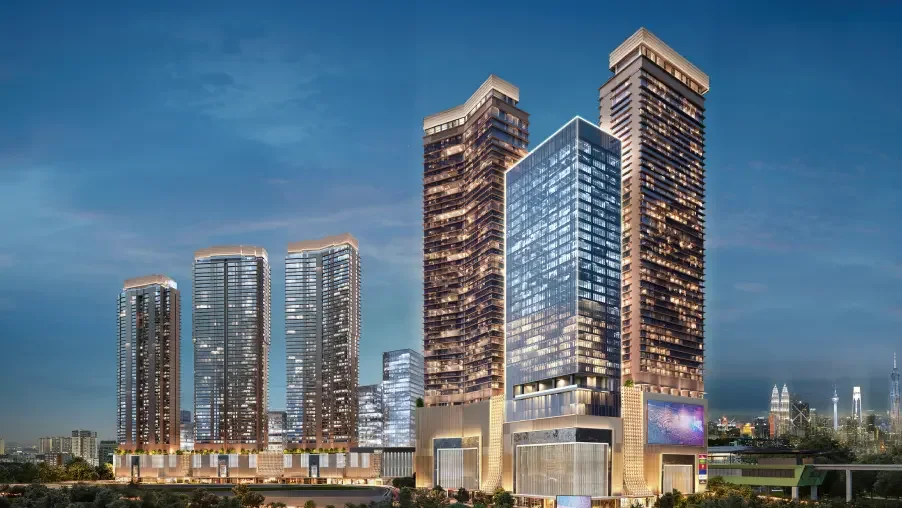
Damansara Heights, known locally as Bukit Damansara, stands as one of Kuala Lumpur’s most resilient and sought-after real estate addresses, offering exceptional capital preservation, steady demand from corporate tenants, and unmatched proximity to the capital's financial cores. Whether you are seeking capital preservation, strong long-term appreciation, or premium rental returns, this comprehensive damansara heights property investment guide provides the essential insights needed to evaluate residential and commercial opportunities in Bukit Damansara.
Positioned just five kilometers from Kuala Lumpur city center and adjacent to established enclaves like Bangsar and Mont Kiara, Bukit Damansara combines quiet leafy residential streets with high-end commercial infrastructure. For high-net-worth buyers, expatriate families, and institutional investors, understanding the market nuances—ranging from land tenure differences and local planning plot ratios to slope stability and government stamp duty tiers—is vital before committing capital.
Why Damansara Heights Remains a Top-Tier Investment Enclave
The enduring appeal of Bukit Damansara relies on low supply elasticity combined with continuous infrastructure investment. Unlike expanding suburban townships with abundant raw land, Damansara Heights is largely built-out. New developments occur primarily through redevelopment of legacy plots or select commercial land conversions, creating a structural supply bottleneck that supports asset value resilience over multi-year economic cycles.
Strategic Geographical Advantage and Connectivity
Accessibility is a major driver of property valuation in the Klang Valley. Damansara Heights enjoys multi-directional road linkages via major expressways, including the SPRINT Expressway, New Pantai Expressway (NPE), Federal Highway, and the DUKE 3 (SPE). This connectivity ensures seamless travel times to Bangsar, Mont Kiara, Sri Hartamas, and KL City Centre (KLCC).
Public transport accessibility was substantially upgraded with the Klang Valley Mass Rapid Transit (MRT) Kajang Line. Key stations serving the neighborhood include:
- Pusat Bandar Damansara MRT Station: Providing direct rail links to KL Sentral transport hub, Bukit Bintang, and the TRX international financial district. Users can check transit schedules and route maps directly on the RapidKL public transport network portal.
- Semantan MRT Station: Serving the commercial and corporate office hubs along Jalan Semantan and Wisma Damansara.
Commercial Catalysts and Lifestyle Amenities
The neighborhood has transformed into an integrated lifestyle hub anchored by major mixed-use developments such as Pavilion Damansara Heights and Damansara City (DC Mall). These integrated precincts bring Grade-A office spaces, international luxury retail brands, fine dining establishments, and five-star hospitality amenities directly into the enclave, bolstering both rental demand and commercial footfall.
Key Property Categories in Bukit Damansara
Investors entering the Damansara Heights market must align their acquisition strategy with the specific asset class that suits their yield expectations and risk profile. Properties here broadly fall into three main categories:
1. Landed Residential Properties
Landed homes constitute the bedrock of Bukit Damansara's prestige. These comprise detached bungalows, semi-detached residences, and double-storey terrace houses. Landed plots here are highly prized by buyers seeking customization, rebuild opportunities, or generational family assets. Investors targeting landed assets should pay close attention to terrain contours, plot ratios, and street width regulations established by Dewan Bandaraya Kuala Lumpur (DBKL).
2. Luxury High-Rise Condominiums and Serviced Residences
High-rise developments in Damansara Heights cater to a broad demographic, ranging from mature boutique condominiums with generous floor plates to modern integrated high-rises offering concierge services and extensive resort amenities. High-rise units generally deliver higher gross rental yields compared to landed homes, appealing to corporate executives, embassy diplomats, and regional assignees.
3. Commercial Shop-Offices and Corporate Buildings
Commercial hubs like Plaza Damansara and the office blocks along Jalan Semantan offer commercial investment options. Ground-floor retail units in Plaza Damansara attract boutique services, high-end cafes, and professional firms, while corporate office suites benefit from steady enterprise tenancies. Commercial acquisitions require thorough analysis of lease structures, parking ratios, and building maintenance standards.
Critical Valuation Drivers and Market Due Diligence
When applying a structured approach through a reliable damansara heights property investment guide, investors must evaluate specific due diligence factors that directly influence pricing, bank valuations, and exit liquidity.
Land Tenure and Title Considerations
Property in Bukit Damansara predominantly features freehold tenure, which carries a premium due to perpetual ownership rights. However, select pockets or specific master titles may carry leasehold tenure or specific land restrictions. Verifying the exact title details via an official land search at the Federal Territory Land and Mines Office (PTGWP) or e-Tanah portal is essential to confirm whether any encumbrances, caveats, or Malay Reserve restrictions exist on the property.
Topography, Drainage, and Slope Engineering
Given the naturally undulating and hilly landscape of Damansara Heights, physical due diligence is as important as legal checks. Hillside homes require rigorous inspection of retaining walls, soil stability reports, and perimeter drainage systems. Rebuilding or extending a hilltop bungalow requires professional civil engineering assessments and DBKL geotechnical approvals, which should be factored into total acquisition timelines and capital budgets.
Tenant Profile and Rental Yield Expectations
Rental yields in Damansara Heights vary by property type. While landed homes typically yield between 2% and 3.5% gross per annum—with the primary return realized through long-term capital growth—luxury high-rise condominiums and commercial units often range higher, between 3.5% and 5% gross per annum depending on condition, furnishing, and building management standard.
Step-by-Step Property Acquisition Process and Fee Breakdown
Purchasing real estate in Malaysia involves a structured legal framework overseen by the Board of Valuers, Appraisers, Estate Agents and Property Managers (LPPEH / BOVAEP). Working with a registered property agent ensures that all documentation and financial transactions comply with statutory standards.
The Acquisition Flow
- Property Inspection & Financial Pre-Approval: Conduct physical viewings, assess neighborhood surroundings, and secure bank loan eligibility letters.
- Issue of Letter of Offer (ATP): Sign the formal Letter of Offer and pay a standard earnest deposit (typically 2% to 3% of the agreed purchase price) into a licensed real estate agency's client trust account.
- Execution of Sale and Purchase Agreement (SPA): Within 14 to 21 working days, execute the formal SPA with appointed legal counsel and pay the remaining balance of the down payment (bringing the total to 10%).
- State Authority Consent (For Foreign Buyers): If the purchaser is a foreign national or foreign corporation, apply for State Authority Consent in accordance with Federal Territory foreign acquisition threshold guidelines.
- Loan Documentation & Balance Payment: Finalize the bank facility agreement and settle the remaining purchase balance within the standard 3+1 month timeframe.
- Handover of Vacant Possession: Receive keys, title transfer (Memorandum of Transfer - MOT), and settle prorated quit rent, assessment tax, and maintenance fee deposits.
Estimated Transaction Costs and Mandatory Government Fees
Buyers should budget for transaction costs beyond the net purchase price. Transaction statistics and historical valuation benchmarks can be researched through the Valuation and Property Services Department (JPPH). The standard schedule of buyer expenses includes:
| Expense Category | Calculation Basis / Standard Rate | Notes & Key Considerations |
|---|---|---|
| Earnest Deposit | 2% to 3% of purchase price | Held safely in agency client trust account upon signing Offer to Purchase. |
| Down Payment Balance | 7% to 8% of purchase price | Paid upon execution of the Sale and Purchase Agreement (SPA). |
| Stamp Duty on Transfer (MOT) | Tiered: 1% (First RM100k), 2% (RM100k-RM500k), 3% (RM500k-RM1mil), 4% (Above RM1mil) | Calculated based on property purchase price or government valuation, whichever is higher. |
| Legal Fees for SPA | 0.5% to 1.0% (Regulated under Solicitors' Remuneration Order) | Tiered scale based on property purchase value. |
| Stamp Duty on Loan Agreement | 0.5% of total loan amount financing | Standard statutory rate applied to bank facility documents. |
| Valuation Fees | Scale rate (approx. 0.1% to 0.25%) | Required by financing banks for mortgage approvals. |
Damansara Heights vs. Neighboring High-End Markets
Investors often evaluate Bukit Damansara alongside adjacent luxury enclaves like Bangsar, Mont Kiara, and Kenny Hills (Bukit Tunku). Each market caters to distinct investment profiles:
| Metric / Feature | Damansara Heights | Bangsar | Mont Kiara | Kenny Hills (Bukit Tunku) |
|---|---|---|---|---|
| Primary Asset Profile | Landed bungalows, high-end condos, commercial nodes | Terraced homes, semi-Ds, vibrant commercial rows | High-density luxury condominiums & high-rises | Ultra-exclusive low-density landed estates |
| Tenure Dominance | Predominantly Freehold | Predominantly Freehold | Mixed Freehold & Leasehold | Predominantly Freehold |
| Primary Tenant Pool | Corporate executives, diplomats, affluent families | Young professionals, expatriates, lifestyle renters | International school families, expat assignees | Embassy staff, C-suite executives, high-net-worth families |
| Investment Focus | Capital preservation & steady appreciation | High liquidity & lifestyle commercial yields | Gross rental yield performance | Long-term generational wealth preservation |
Essential Due Diligence Checklist for Buyers and Investors
Before executing an agreement or transferring earnest deposits, complete the following due diligence checks:
- Title Search Verification: Conduct a formal land title search to verify owner names, tenure status, title restrictions, and encumbrances.
- Zoning and Plot Ratio Checks: Review DBKL local draft plans to confirm current zoning limits, allowable plot ratios, and height restrictions for rebuild projects.
- Slope and Drainage Audit: Engage a qualified engineer to inspect retaining walls, hillside soil integrity, and boundary drainage channels on elevated plots.
- Strata Maintenance and Sinking Fund Health: For high-rise condos, inspect Joint Management Body (JMB) or Management Corporation (MC) financial statements, maintenance fee audit logs, and outstanding sinking fund balances.
- Sub-Lease & Tenancy Agreement Review: If purchasing tenanted property, inspect existing tenancy contracts, security deposit transfers, and tenant payment histories.
- Assessment Tax and Quit Rent Status: Confirm that current property owners have fully settled quit rent (Cukai Tanah) with PTGWP and assessment rates (Cukai Taksiran) with DBKL.
- Neighbourhood Boundary Survey: Verify physical lot boundaries against the certified plan (Pelan Akta) to avoid boundary encroachments with neighboring plots.
Common Mistakes to Avoid in Bukit Damansara Real Estate
Navigating mature luxury markets requires strategic foresight. Investors frequently encounter preventable errors, including:
- Underestimating Rebuilding Timelines: Obtaining DBKL planning permissions, architectural approvals, and structural permits for major bungalow rebuilds can take 6 to 12 months. Factor holding costs into project projections.
- Misjudging Renovation Budgets for Legacy Landed Homes: Older bungalows built in the 1970s or 1980s often require complete rewiring, plumbing replacements, and roof overhauls. Ensure pre-acquisition inspections accurately detail structural status.
- Ignoring Strata Management Quality: In luxury condominiums, building upkeep directly dictates capital appreciation and rental yield. Poorly managed developments experience rapid rental degradation even in prime locations.
- Failing to Consult a Licensed Registered Agent: Attempting to navigate complex private transactions without a recognized Real Estate Negotiator risks non-compliant agreements, unverified titles, or delayed deposit returns.
Frequently asked questions
Is Damansara Heights primarily a freehold property market?
Yes, the vast majority of residential properties in Bukit Damansara feature freehold land titles. This perpetual ownership status is a central factor behind the area's strong capital retention. However, buyers should always perform an official land title search through their legal representative to confirm title conditions for specific properties.
What public transport options connect Damansara Heights to downtown Kuala Lumpur?
Damansara Heights is directly served by the MRT Kajang Line via the Pusat Bandar Damansara and Semantan MRT stations. These stations provide fast, direct rail access to major commercial hubs, including KL Sentral, Pasar Seni, Bukit Bintang, and the Tun Razak Exchange (TRX) financial district.
Can foreign buyers legally purchase property in Damansara Heights?
Yes, foreign individuals and foreign corporations can purchase residential properties in Kuala Lumpur, provided the purchase price meets or exceeds the minimum foreign acquisition threshold established by the Federal Territory government (typically RM1 million for residential units). Transactions require State Authority Consent approval prior to completion.
How can buyers verify the credentials of a property agent in Malaysia?
Buyers can verify an agent's legal status by checking their REN (Real Estate Negotiator) or PEA/E registration number on the official LPPEH / BOVAEP public register. Registered agents carry an official authority card detailing their name, registration number, and licensed estate agency firm.
What guidelines govern rebuilding or renovating a bungalow in Bukit Damansara?
Any major structural renovation or total rebuild must comply with DBKL development guidelines, set-back regulations, maximum allowable building heights, and plot ratio caps. Architectural and engineering plans must be formally submitted and approved by DBKL before construction work begins on site.
What upfront closing costs should an investor budget for when buying in Bukit Damansara?
Buyers should typically budget an additional 4% to 6% above the agreed purchase price to cover mandatory closing costs. These expenses include Memorandum of Transfer (MOT) stamp duty, legal fees for the Sale and Purchase Agreement, loan agreement stamp duty, valuation fees, and administrative disbursements.
Partner with a Licensed Damansara Heights Property Specialist
Success in prime Kuala Lumpur real estate requires local market intelligence, verified inventory access, and seamless transaction execution. As outlined throughout this damansara heights property investment guide, working with a dedicated local expert protects your financial interests at every stage of acquisition or disposal.
Shermaine Foong (REN 76742) provides bespoke advisory services for buyers, sellers, landlords, and corporate tenants across Bukit Damansara, Bangsar, and surrounding luxury precincts. Operating under Shermaine Property, Shermaine delivers transparent market valuations, verified listing due diligence, and tailored investment strategies.
Whether you are seeking a hilltop residential plot, an executive luxury condo, or a high-yielding commercial asset, contact Shermaine Foong directly or register your interest at shermaineproperty.com to receive curated property recommendations and private viewing arrangements.