The Complete House for Rent in Kuala Lumpur Guide: Everything You Need to Know
The Complete House for Rent in Kuala Lumpur Guide: Everything You Need to Know
Finding the right house for rent in Kuala Lumpur requires understanding the city's diverse neighborhoods, rental processes, and legal requirements. This comprehensive guide walks you through everything from selecting the perfect location to signing your tenancy agreement, with practical insights tha
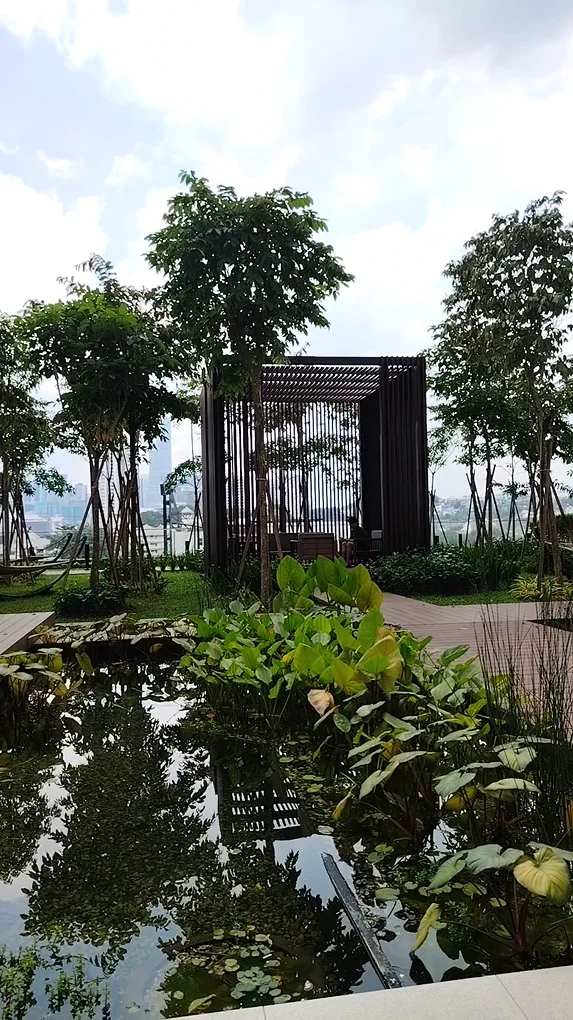
Finding the right house for rent in Kuala Lumpur requires understanding the city's diverse neighborhoods, rental processes, and legal requirements. This comprehensive guide walks you through everything from selecting the perfect location to signing your tenancy agreement, with practical insights that save you time, money, and potential headaches. As a licensed property agent with REN 76742, I've helped numerous tenants navigate KL's rental market successfully.
Understanding Kuala Lumpur's Rental Market
Kuala Lumpur's rental market offers tremendous variety, from luxury condominiums in the city center to landed properties in suburban neighborhoods. The market typically favors tenants with numerous options across different price points, though prime locations like KLCC and Bangsar remain competitive.
Popular Neighborhoods for Renters
Each KL neighborhood offers distinct advantages depending on your lifestyle and budget:
- KLCC/Ampang: Premium high-rise living with easy access to shopping, dining, and business districts. Ideal for professionals working in the city center.
- Bangsar: Upscale residential area with a mix of condominiums and landed properties. Known for its vibrant café scene and proximity to both city center and suburbs.
- Mont Kiara: Expatriate-friendly neighborhood with international schools, modern condominiums, and Western-style amenities.
- Bukit Jalil: Growing area with newer developments, good connectivity via LRT, and proximity to technology parks.
- Cheras: More affordable options with established neighborhoods, local amenities, and improving transport links.
- Setapak/Wangsa Maju: Budget-friendly areas popular with students and young professionals, with reasonable access to the city center.
Rental Price Ranges Across KL Areas
Rental prices vary significantly based on location, property type, and amenities. Here's a general comparison of what you might expect:
| Area | Condominium (1-3 bedrooms) | Landed Property (terrace/semi-D) | Key Characteristics |
|---|---|---|---|
| KLCC | RM 3,000 - RM 8,000+ | RM 8,000 - RM 20,000+ | Premium pricing, city views, walking distance to amenities |
| Bangsar | RM 2,500 - RM 6,000 | RM 6,000 - RM 15,000 | Established neighborhood, expatriate community, dining options |
| Mont Kiara | RM 2,500 - RM 6,000 | RM 7,000 - RM 12,000 | International schools, modern facilities, expatriate-friendly |
| Bukit Jalil | RM 2,000 - RM 4,500 | RM 4,500 - RM 8,000 | Newer developments, good connectivity, growing amenities |
| Cheras | RM 1,500 - RM 3,500 | RM 3,000 - RM 6,000 | Value for money, established neighborhoods, local amenities |
Note: These are general ranges. For current market rates and specific properties available, contact Shermaine Property for the most up-to-date information.
The Rental Process in Kuala Lumpur
Renting a property in Kuala Lumpur follows a fairly standardized process, but understanding each step helps ensure a smooth experience.
Step-by-Step Guide to Renting
- Define your requirements: Determine your budget, preferred location, property type, and must-have amenities before beginning your search.
- Engage a registered agent: Working with a licensed agent like Shermaine Foong (REN 76742) gives you access to verified listings and professional guidance through the process.
- Property viewings: Schedule viewings for properties that match your criteria. Take photos and notes during visits to compare options later.
- Letter of Offer: Once you've selected a property, you'll submit a Letter of Offer to the landlord detailing your proposed rental terms.
- Payment of earnest deposit: Upon acceptance of your offer, you'll pay an earnest deposit (typically one month's rent) to secure the property.
- Tenancy agreement preparation: The tenancy agreement is drafted, usually by the landlord's lawyer, outlining all terms and conditions.
- Stamping of agreement: The agreement must be stamped by Lembaga Hasil Dalam Negeri (LHDN) to be legally valid.
- Payment of remaining deposits and first month's rent: Before receiving keys, you'll pay the balance of deposits and first month's rent.
- Handover and inventory check: A joint inspection is conducted with an inventory list documenting the property's condition and contents.
Required Documents and Fees
When renting a property in Kuala Lumpur, you'll need to prepare several documents and budget for associated fees:
Documents typically required:
- Copy of IC or passport (for foreigners)
- Employment letter or proof of income
- Recent payslips (usually 3 months)
- Bank statements (sometimes required)
- Character reference (occasionally requested)
Standard fees and deposits:
- Earnest deposit: 1 month's rent (paid upon offer acceptance)
- Security deposit: 2 months' rent (paid before handover)
- Utility deposit: 0.5 month's rent (paid before handover)
- First month's rent: Paid before receiving keys
- Stamp duty for tenancy agreement: Based on rental amount and duration
- Legal fees: Usually borne by landlord, but sometimes shared
For a typical RM3,000 monthly rental, expect to pay approximately RM10,500 upfront (including deposits and first month's rent). Foreign tenants may face additional requirements or higher deposits in some cases.
What to Check Before Signing a Rental Agreement
Thorough inspection and understanding of your tenancy agreement prevents future disputes and unexpected costs.
Property Inspection Checklist
Before finalizing your rental, conduct a detailed inspection using this checklist:
- Structural elements: Check walls, ceilings, and floors for cracks, water damage, or signs of structural issues.
- Plumbing: Test all taps, showers, and toilets for water pressure, drainage, and leaks.
- Electrical: Test all light switches, power outlets, and appliances. Check the electrical panel for any issues.
- Appliances: Verify all included appliances are in working condition and note their age and condition.
- Air conditioning: Test all air conditioning units and inquire about the last servicing date.
- Doors and windows: Ensure all open, close, and lock properly without difficulty.
- Furniture: If furnished, document the condition of all furniture items.
- Common areas: For condominiums, assess the condition of common areas, facilities, and security.
- Pest issues: Look for signs of pest infestations or ask about previous pest control measures.
- Mobile reception: Check mobile phone reception in different rooms, especially if working from home.
Legal Considerations
Understanding key elements of your tenancy agreement protects your rights as a tenant:
- Lease term: Standard residential leases are 1-2 years. Longer terms may offer better rental rates but less flexibility.
- Rental review: Check if and how rent can be increased during the tenancy period.
- Maintenance responsibilities: Clarify which repairs are the landlord's responsibility versus the tenant's.
- Utility bills: Confirm which utilities are included in the rent and which are billed separately.
- Renovation restrictions: Understand what modifications are permitted and whether they require landlord approval.
- Subletting policy: Most agreements prohibit subletting without written consent.
- Early termination: Review penalties and notice periods for early termination of the lease.
- Diplomatic clause: For expatriates, this clause allows lease termination if reassigned or relocated.
For official information on property valuation and standards, refer to the Department of Valuation and Property Services (JPPH).
Transportation and Accessibility in KL
Kuala Lumpur's transportation infrastructure significantly impacts quality of life and should be a key consideration when choosing a rental location.
Public Transport Options
KL offers several public transportation options that can influence your rental location decision:
- LRT (Light Rapid Transit): Three lines (Kelana Jaya, Ampang, and Sri Petaling) connecting major residential areas to the city center.
- MRT (Mass Rapid Transit): Two lines (Kajang and Putrajaya) providing modern, air-conditioned travel across the city.
- Monorail: Looping through the city center, connecting KL Sentral to Titiwangsa.
- KTM Komuter: Commuter train service connecting KL to suburbs like Port Klang, Rawang, and Seremban.
- Bus services: RapidKL operates extensive bus routes throughout the city and suburbs.
- Grab/ride-hailing: Widely available throughout the Klang Valley as an alternative to car ownership.
For comprehensive information on public transport routes and schedules, visit Rapid KL's official website.
Traffic Considerations
KL's traffic patterns should influence your rental location choice, especially if you commute during peak hours:
- Peak hours: Weekday mornings (7:30-9:30 AM) and evenings (5:00-7:30 PM) see heavy congestion on major arteries.
- Flood-prone areas: Some neighborhoods experience flooding during heavy rainfall, affecting accessibility.
- Parking availability: City center properties may have limited or expensive parking options.
- Highway access: Properties near major highways (PLUS, LDP, SPE, etc.) offer better connectivity but may experience noise pollution.
- Last-mile connectivity: Consider the walking distance from public transport stations to your potential rental.
Common Mistakes to Avoid When Renting in KL
Awareness of common pitfalls helps ensure a positive rental experience in Kuala Lumpur.
Red Flags to Watch For
- Unusually low rental rates: Prices significantly below market rate often indicate hidden issues or potential scams.
- Pressure to pay deposits quickly: Legitimate landlords and agents allow reasonable time for consideration and document review.
- Reluctance to provide written agreements: Always insist on a properly drafted and stamped tenancy agreement.
- Requests for unusual payment methods: Be cautious of requests for cash payments or transfers to personal accounts rather than company accounts.
- Unverified property listings: Cross-check listings and verify property ownership when possible.
- Unwillingness to allow property inspection: Legitimate landlords should permit thorough inspection before tenancy.
Negotiation Tips
- Research comparable rentals: Knowledge of similar properties' rental rates strengthens your negotiating position.
- Consider longer lease terms: Landlords often offer better rates for longer commitments.
- Timing matters: End of year and during festive seasons may present negotiation opportunities as demand typically decreases.
- Focus on value, not just price: Negotiate for included utilities, furnishings, or maintenance services rather than just rental reductions.
- Use a registered agent: Professional agents like Shermaine (REN 76742) can negotiate effectively based on market knowledge and experience.
Always verify your property agent's credentials through the Board of Valuers, Appraisers, Estate Agents and Property Managers (BOVAEP) to ensure you're working with a registered professional.
Frequently Asked Questions
What documents do foreigners need to rent a property in Kuala Lumpur?
Foreigners typically need a valid passport with appropriate visa, employment pass or residence permit, employment letter from a Malaysian company, and recent bank statements. Some landlords may request additional documentation such as character references or guarantors. Foreign tenants should also verify if there are any restrictions on renting in certain areas or property types based on their visa status.
How much deposit is required to rent a house in Kuala Lumpur?
Standard deposits include one month's rent as earnest deposit (paid when making an offer), two months' rent as security deposit, and half a month's rent as utility deposit. Additionally, the first month's rent is typically paid before receiving keys. For a property with RM3,000 monthly rent, expect to pay approximately RM10,500 upfront before moving in.
Can I negotiate the rental price or terms?
Yes, negotiation is common in the Malaysian rental market. Your negotiating power increases with longer lease commitments, excellent tenant profile, and during periods of lower demand. Working with a registered agent like Shermaine Foong (REN 76742) can provide market insights and professional negotiation assistance. Focus on value rather than just price—consider requesting included utilities, furnishings, or maintenance services.
What are my maintenance responsibilities as a tenant?
Typically, tenants are responsible for minor repairs and day-to-day maintenance such as replacing light bulbs, fixing minor plumbing issues, and air conditioning servicing. Landlords generally handle structural repairs, major appliance failures, and issues affecting the property's habitability. Your specific responsibilities should be clearly outlined in the tenancy agreement. Always document maintenance requests and landlord responses in writing.
How long does the rental process usually take?
The process typically takes 2-4 weeks from property viewing to key handover. This includes 1-2 days for offer acceptance and earnest deposit payment, 1-2 weeks for tenancy agreement preparation and stamping, and a few days for final payments and handover. Delays often occur during agreement preparation or if additional documentation is required. Working with an efficient agent can help expedite the process.
What should I do if I need to terminate my lease early?
Review your tenancy agreement for early termination clauses, which typically require 2-3 months' notice and may include penalties such as forfeiting your security deposit. Some agreements include a diplomatic clause allowing termination without penalty under specific circumstances like job relocation. If no early termination clause exists, you remain liable for rent until the lease ends or a new tenant is found. Always communicate with your landlord as early as possible if you anticipate needing to terminate early.
Is it better to rent through an agent or directly from the landlord?
Both approaches have merits. Agents provide access to multiple properties, handle negotiations, ensure proper documentation, and offer professional guidance throughout the process. Direct landlord dealings may offer more flexibility in terms and potentially lower costs (as no agent fees are involved). However, direct dealings require more personal due diligence regarding documentation and legal compliance. For first-time renters or those unfamiliar with Malaysian property laws, working with a registered agent like Shermaine Property (REN 76742) provides valuable protection and peace of mind.
For personalized assistance finding your ideal rental property in Kuala Lumpur, contact Shermaine Property today. With extensive knowledge of KL neighborhoods and the rental process, we can help you find a home that meets your needs and budget while ensuring a smooth, transparent rental experience.